
What Actually Happens During a Hypnotherap/Hypnosis Session? A Step-by-Step Guide
If your only exposure to hypnosis comes from stage performers making volunteers cluck like chickens or movies featuring swinging pocket watches, it is natural to feel a bit skeptical—or even apprehensive.
Clinical hypnotherapy and typical hypnosis sessions, however, look very different. It is a collaborative, evidence-based therapeutic tool commonly used to manage anxiety, chronic pain, smoking cessation, sleep issues, and phobias.
Here is what really happens during a typical hypnotherapy session, from the initial conversation to walking out the door.
1. The Pre-Talk: Setting Goals and Debunking Myths
Every first session begins with a regular, conscious conversation. You won’t jump straight into trance.
During the intake or “pre-talk,” your practitioner will:
- Discuss your goals: Clarify what habit, thought pattern, or symptom you want to address.
- Review your history: Talk through when the issue started and what triggers it.
- Address misconceptions: Reassure you about control. In clinical hypnosis, you cannot be forced to do anything against your will or moral code, and you remain aware throughout.
2. The Induction: Guided Physical and Mental Relaxation
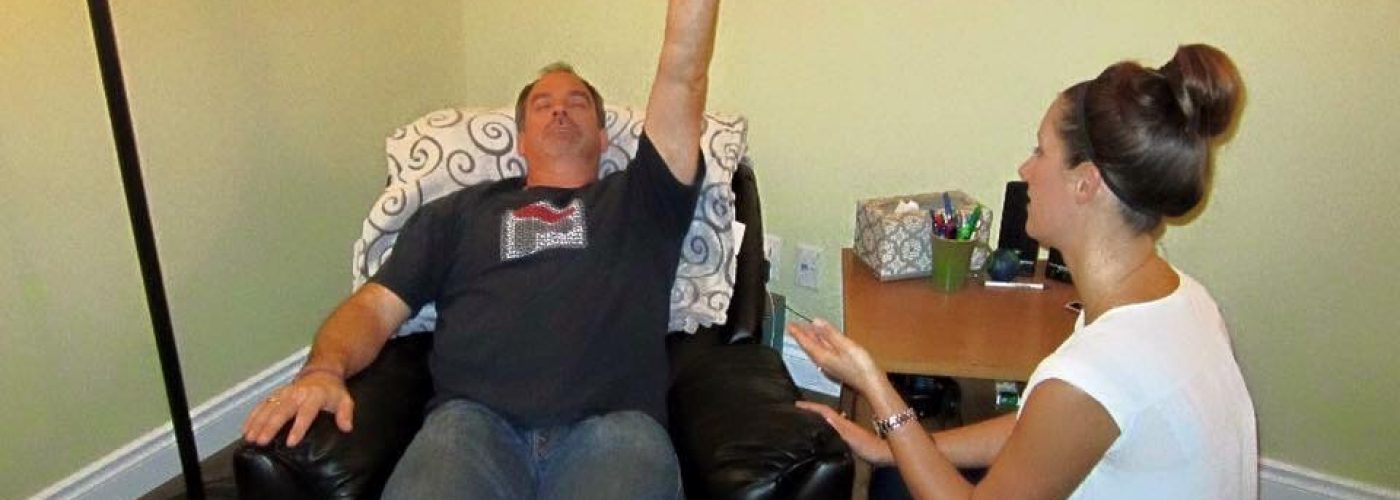
Once you are comfortable in a chair or recliner, the hypnotherapist or hypnotist begins the induction.
This is simply a guided process designed to shift your brainwave state from active alertness (Beta) to a calm, focused, meditative state (Alpha or Theta).
Common induction techniques include:
- Progressive Muscle Relaxation: Guiding you to consciously relax muscle groups from your forehead down to your toes.
- Focused Attention: Asking you to focus on a fixed point, a soothing mental image, or your natural breathing rhythm.
- Counting Down: Using rhythmic voice pacing (e.g., counting down from 10 to 1) to help quiet mental chatter.
[!note] What does a hypnotic trance feel like?
Most people describe it like the moments just before drifting off to sleep, or the feeling of “highway hypnosis” when driving a familiar route. Your body feels heavy and relaxed, but your mind is clear and attentive.
3. Deepening the State
To help you settle further into this receptive state, the hypnotist may use “deepeners.” This might involve visualizing walking down a flight of stairs into a peaceful garden, taking an elevator down to a quiet sanctuary, or simply taking several deep, rhythmic breaths.
4. The Therapeutic Work: Suggestions and Imagery
This is the core of the session. In this state of focused absorption, your conscious critical filter steps aside, making the subconscious mind far more receptive to constructive suggestions.
Depending on your goals, the practitioner uses specific techniques:
- Direct Suggestion: Offering positive reframings tailored to your goals (e.g., “You will feel a calm sense of control when speaking in meetings” or “Your body naturally Craves fresh water instead of sugary sodas”).
- Guided Visualization: Walking you through scenarios where you handle a stressful event with confidence and ease.
- Parts Work or Age Regression (in deeper therapy): Gently identifying the emotional origin of an ingrained belief or reaction, helping reframe it with the wisdom of adulthood.
5. The Emergence (Waking Up)
When the therapeutic work wraps up, the therapist will smoothly bring you back to full alertness.
Typically, they will count up from one to five, giving suggestions of feeling refreshed, clear-headed, and energized. You open your eyes naturally—there is no sudden shock, disorientation, or “getting stuck.”
6. Debrief and Post-Session Integration
Before you leave, you will spend a few minutes reflecting on the experience:
- How did the session feel?
- What imagery or sensations stood out?
- You may receive “homework,” such as listening to a recorded audio session or practicing a 2-minute self-hypnosis anchor (like pressing two fingers together to recall calm).
Summary Checklist: What to Expect
- You remain in complete control and can speak or open your eyes at any time.
- You will likely remember most or all of what occurred.
- Wear comfortable clothing; no special preparation is required.
- Most targeted issues take anywhere from 3 to 6 sessions depending on complexity.
Ready to Rewire Your Brain?
Hypnotherapy isn’t magic—it’s just giving your subconscious mind the tune-up it desperately needs. If you’ve spent months (or years) trying to willpower your way out of stress, bad habits, or mental blocks, it might be time to take the direct route.
Book a Free Screening online from the comfort of your home or in person in Sherwood Park, and discover what real, focused hypnotherapy can do for your peace of mind—clucking strictly optional.
Call now 1-403-741-8669 or 1-825-965-9399
Watch here:
www.SherwoodParkHypnosisCenter.com
Cheers,
Trisha Fuller
Trisha Fuller is an award-winning Master Hypnotist & NLP Trainer/Practitioner, Mentor,
International and TEDx Speaker, Co-Author of 3 Amazon Best Sellers.
Trisha has been featured on iTunes, C-Suite Network and has spoken on stages such as Oxford University and the University of Alberta and facilitates workshops through The Canadian Hypnosis Academy.
Her active hypnosis clinics support thousands of clients.
For a Free Gift and to learn more, please see